
NCAA Tournament Bracketology: How Teams Like Miami (OH), TCU and Wisconsin Could Be Seeded
The No. 1 seeds in the 2026 NCAA Tournament are nearly set. Arizona, Duke and Michigan are locks for top seeds regardless of what happens in conference tournaments, while Florida gained an edge over UConn after the Huskies lost to Marquette last weekend.
That means Selection Sunday on March 15 will be less about the top of the bracket and more about the NCAA tournament bubble teams and seeding lines. Programs like Wisconsin, TCU and Miami (OH) have resumes that could land three or four seed lines different than some projections, depending on how the committee weighs predictive metrics against resume metrics.
Before getting into the teams themselves, it's worth understanding one metric that could matter more this year.
For a live, updated look at where these teams currently sit, check out our full 2026 NCAA Tournament bracketology on RotoWire, including the last four teams in.
WATCH: Stream March Madness games live on Sling.
What Is Wins Above Bubble (WAB)?
One metric the selection committee may lean on more this year is Wins Above Bubble (WAB). It's been added to the team sheets the committee uses during selection week.
WAB tries to answer a simple question: how many more games did a team win compared to what a typical bubble team would do against the same schedule?
Unlike predictive metrics like KenPom, WAB focuses entirely on results. If a team piles up wins against a strong schedule, its WAB rating climbs even if efficiency metrics aren't impressed.
That's why teams like Miami (OH) rate well in WAB. Their predictive numbers aren't great, but their resume metrics, especially WAB and Strength of Record (SOR), look much stronger.
The committee may rely on WAB more this year, which wasn't the case in the past. The NET is the NCAA's own metric, but the committee's never exclusively used it.
For my bracketology, I usually prefer a combination of KenPom and SOR, but because the committee changes members every year, their methods are always a little unpredictable.
Last season, Memphis and Gonzaga were seeded closer to their resumes than predictive metrics. Gonzaga was a top-10 team at KenPom but outside the top 30 in SOR. The Bulldogs were given an 8-seed and they put up a fight against 1-seed Houston in the Round of 32.
Will this committee lean on resume metrics for mid-major teams again? That could mean good things for Miami (OH) with top-30 WAB and SOR numbers.
Metrics prior to games on Thursday, March 12
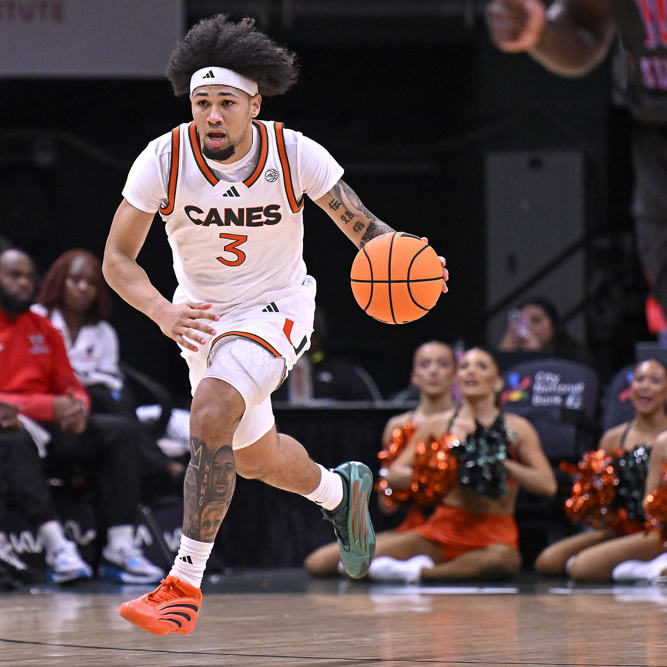
Miami (OH) NCAA Tournament Resume: Undefeated Record vs Predictive Metrics
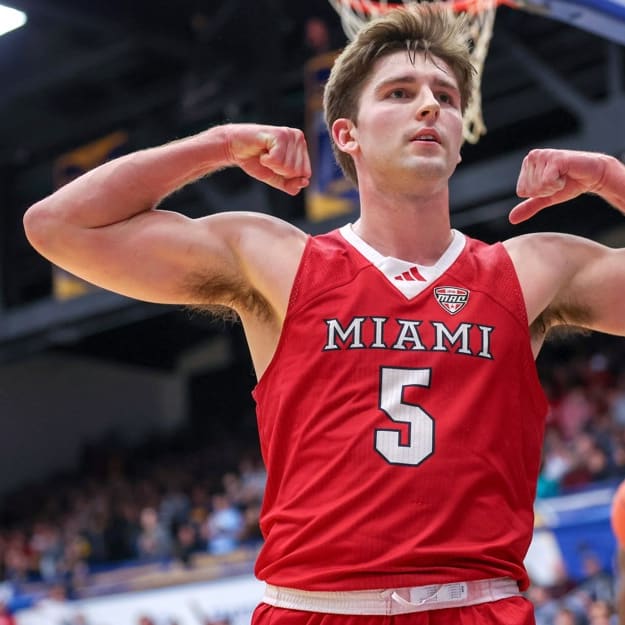
Miami (OH): NET 54, 28-1; WAB 33
The team everyone wants to hate but can't. The RedHawks have actually dropped in KenPom since Jan. 13 despite going undefeated. But the inclusion of advanced metrics has allowed the NCAA committee and the public to rate teams on a broader scale. Compared to their KenPom 91, they rank top 30 in most resume metrics and nearly top 50 in NET, the NCAA's own metric.
If it was 10 years ago, Miami would probably be considered in the 4- or 5-seed range. Now, with the addition of numerous metrics to help the committee's decision making, it's on the bubble and depending where it lands, will likely be an underdog.
On the BracketMatrix, the RedHawks range from an 8- to an 11-seed, but it's mostly a guess of what the committee will do. They don't rate well in predictive metrics like KenPom, but their WAB is near the top 30.
So how do you seed a team that didn't lose in the regular season but would still be an underdog against Syracuse on a neutral site? No one knows.
You could argue that a 6- or 7-seed is reasonable if you only looked at WAB and Strength of Record (SOR). But if you combine resume metrics with predictive metrics, I think a 10-seed is a reasonable spot. You're not putting them with all the bubble teams in the 11- and 12-seed range but one spot higher because the RedHawks were improbably undefeated. And everyone knows the 8- and 9-seeds are for mediocre major conference teams.
Following Thursday's MAC tournament loss to UMass, Miami will remain a hot topic in the bubble conversation. However, given most other teams in that range are also losing, it'll be hard for the committee to leave an undefeated regular season team out of the NCAA tournament, especially one with a WAB in the top 35.
TCU: Quality Wins vs Bad Losses
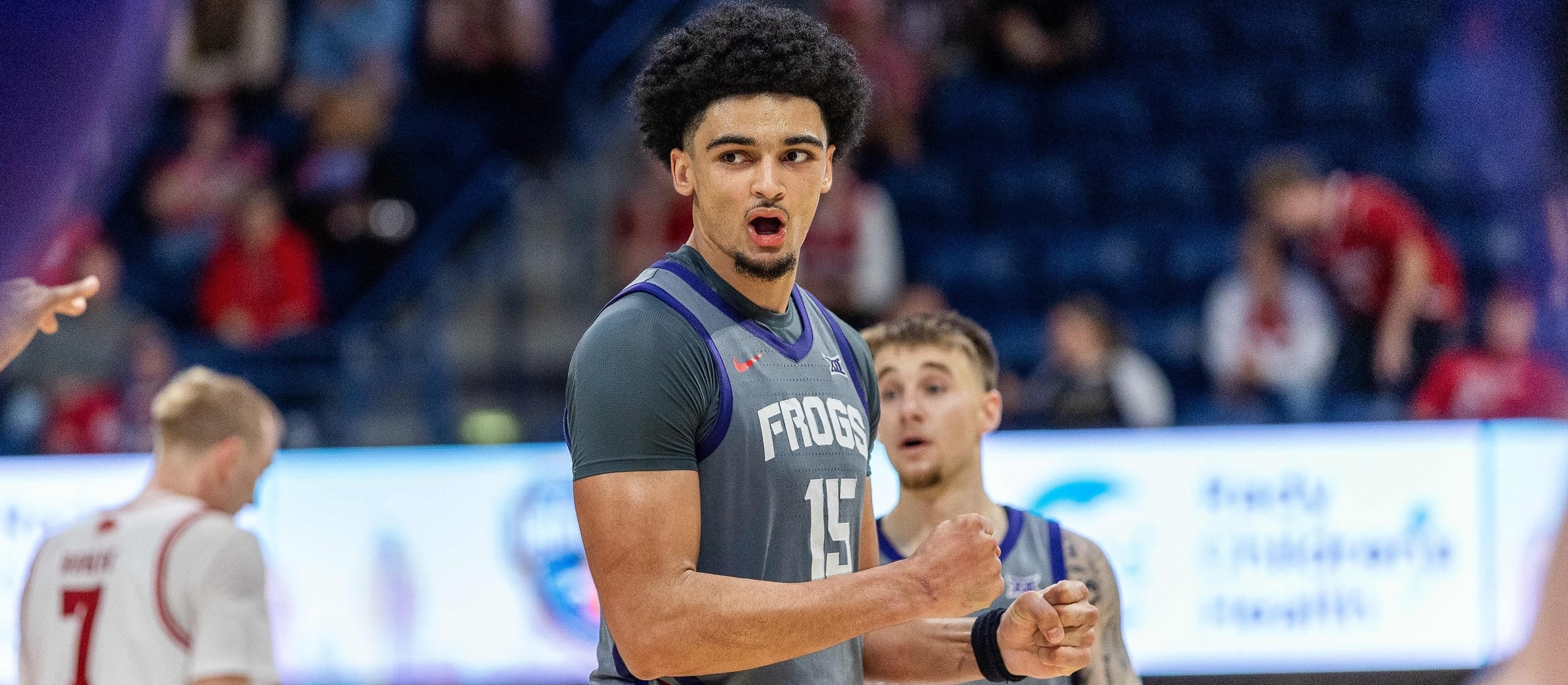
 TCU: NET 39, 22-10; WAB 31
Formerly on the bubble, TCU closed the regular season with five straight wins and eight wins in its last nine games. The Horned Frogs have a couple bad losses, but they also beat Florida, Wisconsin, Iowa State and Texas Tech.
Depending on how the committee views losses to New Orleans and Utah, they could logically be anywhere from a 7- to a 10-seed. You could argue they should be on the same level as Kentucky, with just as good of wins and fewer losses. But, they also have some of the worst losses of projected teams in the field, so they could also drop to a 10-seed.
Wisconsin: Elite Wins but an Inconsistent Resume
 Wisconsin: NET 26, 20-10; WAB 23
Wisconsin similarly has a resume that's a bit all over the place. Usually, when you beat some of the best teams in the country like Michigan, Purdue and Illinois on the road, you don't lose at home to non-tournament teams (USC) or on the road by double digits to Oregon. Usually.
Despite that variety, all of their metrics are fairly uniform. The Badgers rate in the 7-seed range according to almost every metric, but if you compare their wins against other teams on that level, they clearly win that battle.
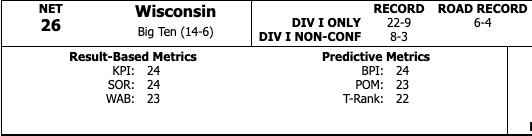
Their elite wins may be enough to get on that next level. For teams near them in projections, Tennessee and BYU have more losses. North Carolina doesn't have its best player after Caleb Wilson broke his thumb last week.
If the Badgers can win two Big Ten tournament games (one of which would be another win over Illinois), they'd be in the five-seed range.
Final Bubble Watch Outlook
With conference tournaments underway, several teams still have a chance move off the bubble and move up a seed line or two before Selection Sunday. Miami (OH), TCU and Wisconsin all have tournament-level resumes but could shift multiple seed lines depending on their conference tournament results.
For the latest projections, updated seed lines and full bracket predictions, check out RotoWire's updated 2026 NCAA Tournament Bracketology.
Check out the RotoWire CBB betting section for a complete list of the latest college basketball odds across multiple sportsbooks.