


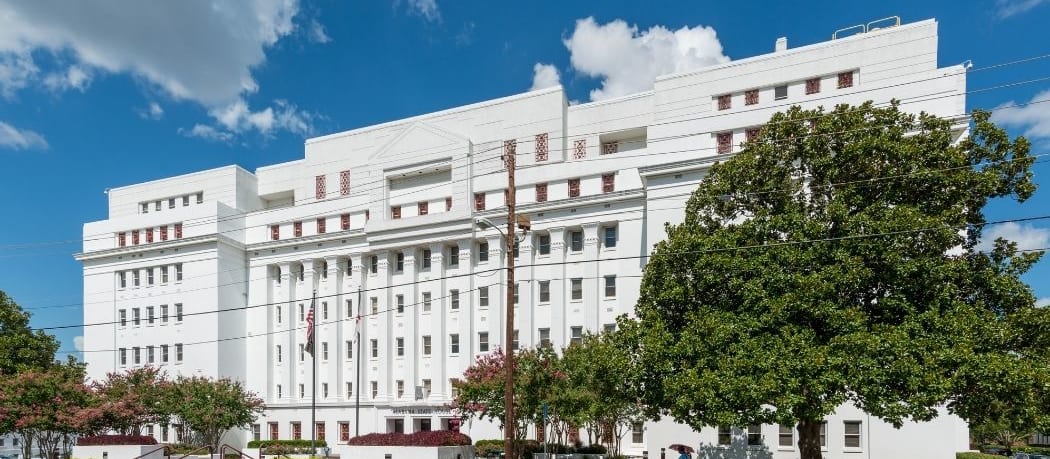


Casinos, sports betting and lottery could soon be available in Alabama under Senate Bill 257, which seeks a constitutional amendment to expand gambling in the state.
SB257, introduced by State Senator Merika Coleman (D-Birmingham), alongside Senators Stewart, Hatcher, Coleman-Madison, Figures, and Smitherman, would authorize the Alabama Legislature to establish a state lottery, license commercial casinos, and permit retail and online sports wagering.
The bill, which received its first reading on Tuesday, arrives at a critical juncture for Alabama, one of just five U.S. states without a state lottery and among the shrinking minority that have yet to legalize sports betting in any form.
What SB257 Proposes
SB257 takes a deliberately streamlined approach that distinguishes it from previous failed attempts to legalize gambling in Alabama. Rather than prescribing specific tax rates, licensing frameworks, or casino locations, the constitutional amendment would grant the Legislature broad authority to authorize gaming activities in future sessions.
The bill would permit four categories of gaming:
- State lottery
- Casino-style games played exclusively in person
- Online and retail sports betting
- Any additional gaming activities approved by a three-fifths majority in both chambers
A new gaming commission would be established to license and regulate all authorized activities. Additionally, the legislation includes a provision authorizing the Governor to negotiate a Tribal-State compact with the Poarch Band of Creek Indians for the operation of Class III games and sports betting on tribal lands under the Indian Gaming Regulatory Act. Currently, the tribe operates a Class-II facility offering bingo and electronic games.
A History of Near-Misses
Alabama's path toward expanded gambling has been marked by repeated legislative failures and fractured coalitions. In 2024, a similar comprehensive gaming package that included a lottery, casinos, and sports betting passed the House with 70 votes but fell just one vote short in the Senate—a familiar pattern for the state.
Senate President Pro Tem Garlan Gudger (R-Cullman) and House Speaker Nathaniel Ledbetter indicated just weeks ago that gambling legislation lacked sufficient support to advance during the 2026 session. Senator Greg Albritton, a longtime gambling proponent, suggested that last year's failure may have set the issue back significantly.
Coleman's approach represents a tactical pivot. By presenting a constitutional framework rather than detailed enabling legislation, the bill sidesteps the granular negotiations over casino locations, tribal compacts, and revenue allocations that have historically derailed gaming proposals.
Who Might Enter the Alabama Gambling Market?
Should SB 257 pass and voters approve expanded gambling, Alabama would become one of the most significant untapped gaming markets in the Southeast. Major operators have been notably circumspect about discussing Alabama specifically, but industry patterns suggest which companies would likely pursue licenses.
Online Sports Betting
The usual suspects would almost certainly pursue market entry. DraftKings and FanDuel, which already operate daily fantasy sports platforms in Alabama following Governor Kay Ivey's 2019 signing of HB 361, would have a natural customer base to convert via top sportsbook promos.
BetMGM, Caesars Sportsbook, and Fanatics Sportsbook would also be expected contenders, given their presence in virtually every legal U.S. market. Bet365 and theScore Bet have similarly established themselves as reliable entrants in newly regulated states.
Brick-and-Mortar Casinos
The Poarch Band of Creek Indians, through their Wind Creek Hospitality subsidiary, would be positioned as the dominant force in any Alabama casino market. The tribe already operates three gaming facilities on tribal land—Wind Creek Atmore, Wind Creek Montgomery, and Wind Creek Wetumpka—and recently completed the acquisition of Birmingham Race Course from the McGregor family in early 2025.
Wind Creek officials have previously indicated plans for a potential half-billion-dollar expansion in Birmingham should comprehensive gaming legislation pass, promising thousands of jobs and significant local economic investment. The tribe has also expressed interest in establishing a presence in northeast Alabama, with Jackson and DeKalb counties identified in previous proposals as potential sites given their proximity to Chattanooga.
The McGregor family, which still operates VictoryLand in Macon County, has similarly indicated expansion plans contingent on legalization. Other potential commercial operators could include regional gaming companies with Southeastern footprints, though the tribal compact provisions in SB 257 may create exclusive arrangements that limit commercial competition.
Lottery Operations
If Alabama follows the model of other states, the lottery would likely be operated by a state corporation rather than licensed to private operators, though technology and retail distribution partnerships with companies like IGT, Scientific Games, or Intralot would be necessary.
What Happens Next
SB 257 has been assigned to the Senate Tourism Committee, where it faces an uncertain reception given leadership's stated position that gambling lacks sufficient support this session.
Supporters hope that Coleman's stripped-down approach—putting a simple yes-or-no question to voters rather than negotiating complex implementation details—might build a broader coalition. If the constitutional amendment passes both chambers, it would appear on a statewide ballot for voter ratification.
Should voters approve, the Legislature would then face the task of crafting enabling legislation to establish tax rates, licensing procedures, and regulatory frameworks. The gaming commission would need to be constituted, and compact negotiations with the Poarch Creek Indians would commence.
For Alabama residents currently traveling to neighboring states or using offshore platforms to gamble, SB 257 represents the latest chapter in a decades-long debate. Whether this particular effort breaks through where so many others have failed remains to be seen, but the combination of budget pressures, evolving public attitudes, and the rise of legal gambling throughout the region continues to shift the political ground beneath opponents' feet.
Alabama may remain one of America's last gambling holdouts, but the walls are showing cracks.